From pilot to policy: Scaling an elderly homecare project to a government-led model in China
After a year of piloting our collaboration project “Integrated Care for Elderly” together with Buurtzorg China and Guangxi NewLife has been successfully concluded and is now transitioning into a government‑led care model in China. In May 2026, a conference held in Nanning, Guangxi marked this milestone, bringing together policymakers, experts, and practitioners to discuss the high‑quality development of the elderly care sector under the shared mission of delivering “better care at lower cost”.
Launched in May 2025, the project was developed through a collaboration between Buurtzorg and Guangxi New Life , with our support. It draws inspiration from Buurtzorg Netherlands, an internationally recognized community‑based homecare model known for helping older adults regain their ability to care for themselves.
With people aged 60 and above accounting for 23% of China’s population, the demand for sustainable elderly care solutions is growing rapidly. The project focuses on seniors living with disabilities, chronic diseases, or dementia. Moving away from traditional “passive care”, it promotes an empowerment‑based approach that supports seniors to maintain independence, reducing reliance on family members, lowering the long‑term societal cost of care, and enabling older adults to live with greater dignity and autonomy within their communities.
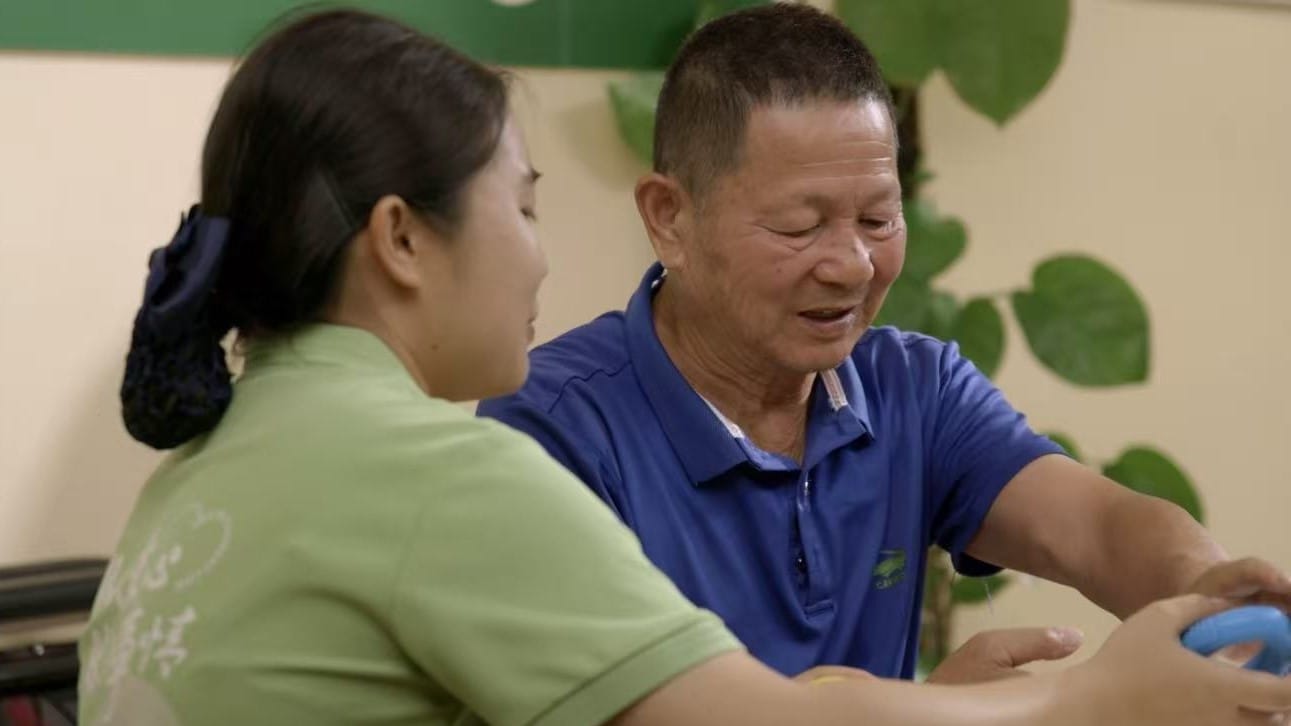
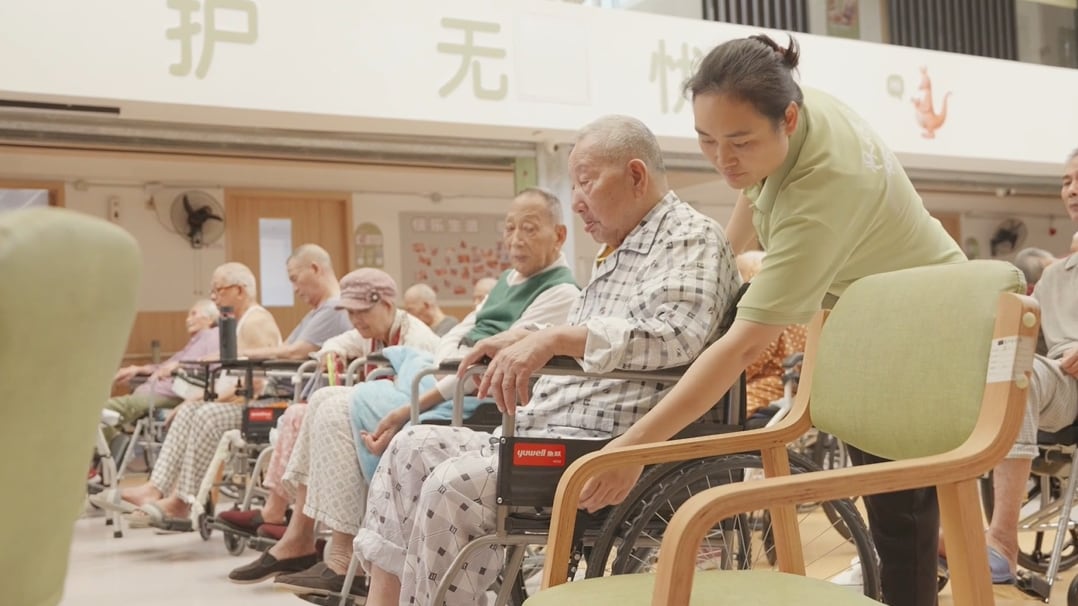
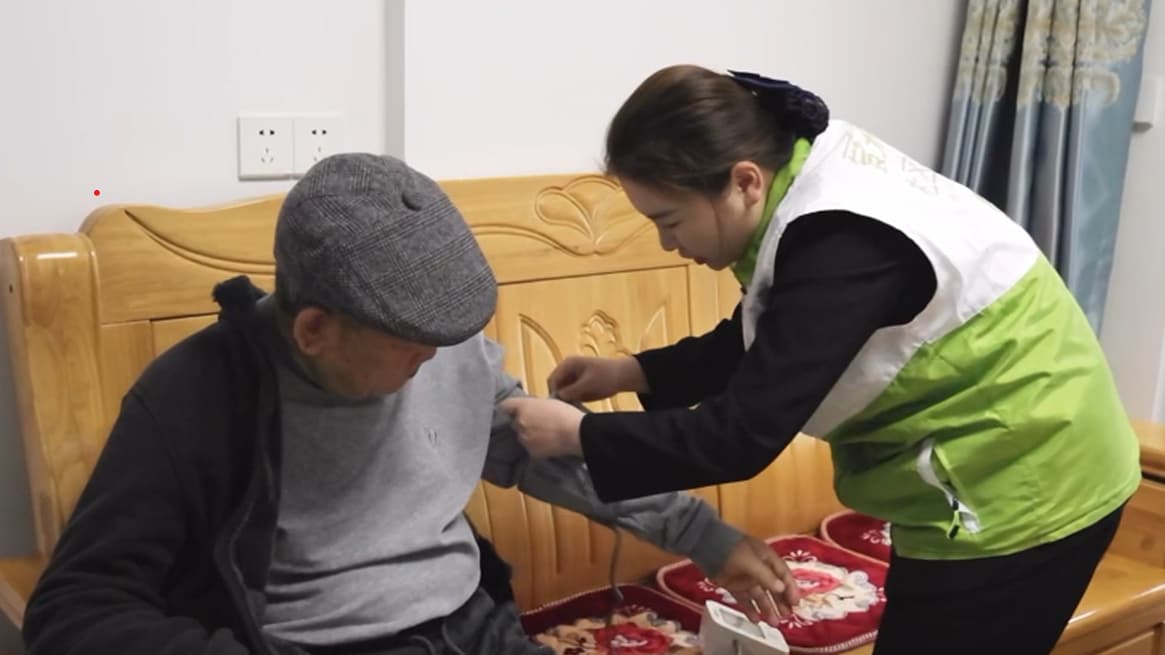
Photos provided by Buurtzorg China
The model was carefully localized to reflect China’s family structures, community organization, and policy environment. Government stakeholders were engaged early in the process, ensuring strong public sector support and creating conditions for scalability from the outset.
After a year of piloting, we co-hosted the conference “Nanning Model: High‑Quality Development of the Elderly Care Industry” on May 12, 2026 – also the International Nurses Day, to celebrate the piloting success and announce the project’s remarkable progress. This conference brought together around 200 representatives from regional governments, academics, industry leaders, investors and associations to discuss key topics including caregiver capacity building, evidence‑based care models, financing mechanisms, and public‑private partnerships.
The impact in numbers: High-quality care at a lower cost
The pilot results demonstrate both measurable impact and practical feasibility. Based on preliminary surveys among 204 participants, the project achieved a 60% improvement in health scores, while delivering significant cost advantages. Service costs are approximately 70% lower than institutional care or hiring full‑time private caregivers, and around 20% lower than long‑term care insurance. These outcomes validate the project’s core ambition: delivering high‑quality elderly care in a cost‑effective and sustainable way through community‑based homecare.
Beyond the numbers, the pilot has sparked constructive discussions among stakeholders on the future of elderly care in China. They highlight the importance of combining global expertise with local adaptation, as well as the critical role of collaboration across public, private, and philanthropic sectors.
From pilot to government‑led, leading homecare model
A key success factor of the project has been the early and continuous involvement of government departments responsible for civil affairs, medical insurance, and health. This close collaboration ensured alignment with policy priorities throughout the pilot phase and enabled a smooth transition from testing to scaling.

Photo captured at the conference “Nanning Model: High‑Quality Development of the Elderly Care Industry” in Nanning, Quangxi on May 12, 2026, provided by Buurtzorg China
As a result, the “Nanning Model of Homecare” has been recognized as a leading elderly homecare model. Local authorities have committed to scaling the model across Nanning, supported by government‑funded long‑term care insurance to expand access for more senior citizens. Policymakers are also exploring its standardization at provincial level, demonstrating how pilot innovations can translate into long‑term, system‑level impact.
To support scalability and long‑term development, workforce capacity building has also been a central focus of the project. A brand-new research institute of “Integrated Care and Social Innovation” was inaugurated through a partnership between New Life’s Industry College and Université Paris Dauphine. This partnership aims to strengthen the link between research, education, and practice, as well as supporting talent development and job creation in the elderly care sector.

“The “Nanning Model” is not a simple copy of Buurtzorg Netherlands’ experience from abroad. Instead, we localized the innovation to fully reflects China’s family structure, how communities are organized, and bring in very early the local policy makers to strengthen the buy-in. We are very pleased to see that while serving senior people, the project also creates greater career development opportunities for women caregivers through systematic capacity building, empowering them to access more jobs and steadily increase their income -generating dual social value by serving senior people and empowering communities at the same time”.
Dr. Peng Zhong, Director of Social Innovation and Head of Asia Pacific at the Bayer Foundation
Scaling the project “Integrated Care for Elderly” to a government-led model in China